
Organization History
Each member of this organization have trod upon a different path, and arrived here for a different reason. For some, it was the somber realization of imbalance. For others, an ethical devotion endowed at youth. For others still, it has been the ravishing flicker of change. Regardless of the journey, the precipice remains the same: the harrowing gaze into a catastrophic future where climate change, soil degradation, desertification, mass extinction, water scarcity and malnutrition reign supreme. The global Moment of Exigence is now.

Some individual paths drew nearer until The Loving Seed was officially founded in June, 2024.
As an organization, our role is to educate and empower others to feel the same moral obligation for positive change. We are a grassroots organization, working on the small-scale to put our hands in the soil and inspire. We are midwesterners, primarily from Illinois, who call this place home and yearn to see it return to really being The Prairie State. Our history is the history of Illinois, the midwest, the United States, of humanity. Now that 40% of US farmland is owned by individuals 65 years and older, a new generation of land stewards must emerge. The Loving Seed has set out to ensure that the new generation takes regenerative measures.
In May 2025, our journey was planted in the ground. An opportunity to move to 30 acres of land in Freeport, IL arose, and we took advantage. Immediately we began every aspect of restorative and agroecological living that we could. The first season saw 91 native Illinois nut trees planted, over 1000 pounds of food grown, 17 animals brought to the land and one solstice festival take shape. The success was great, but there is much more to do.
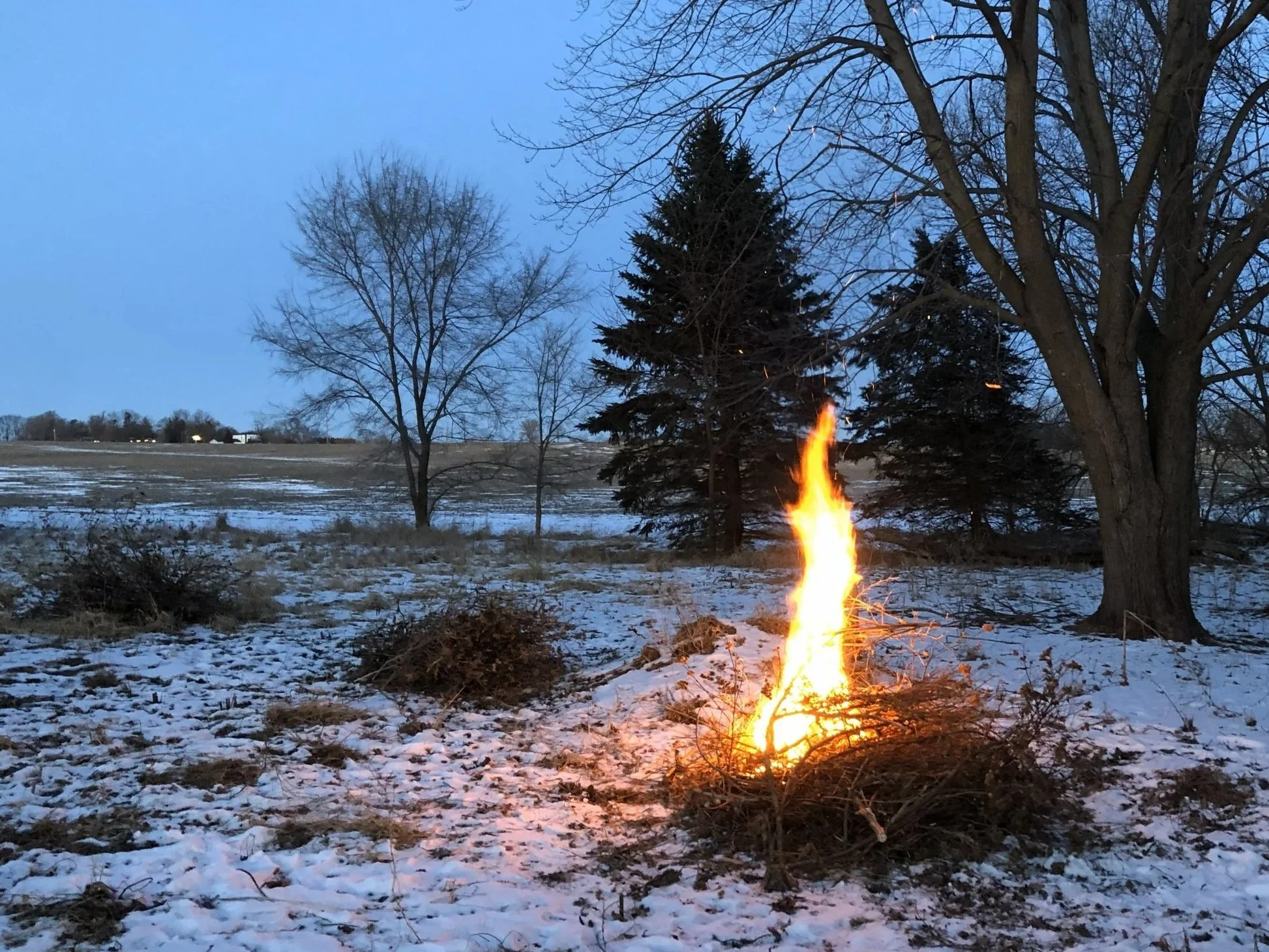
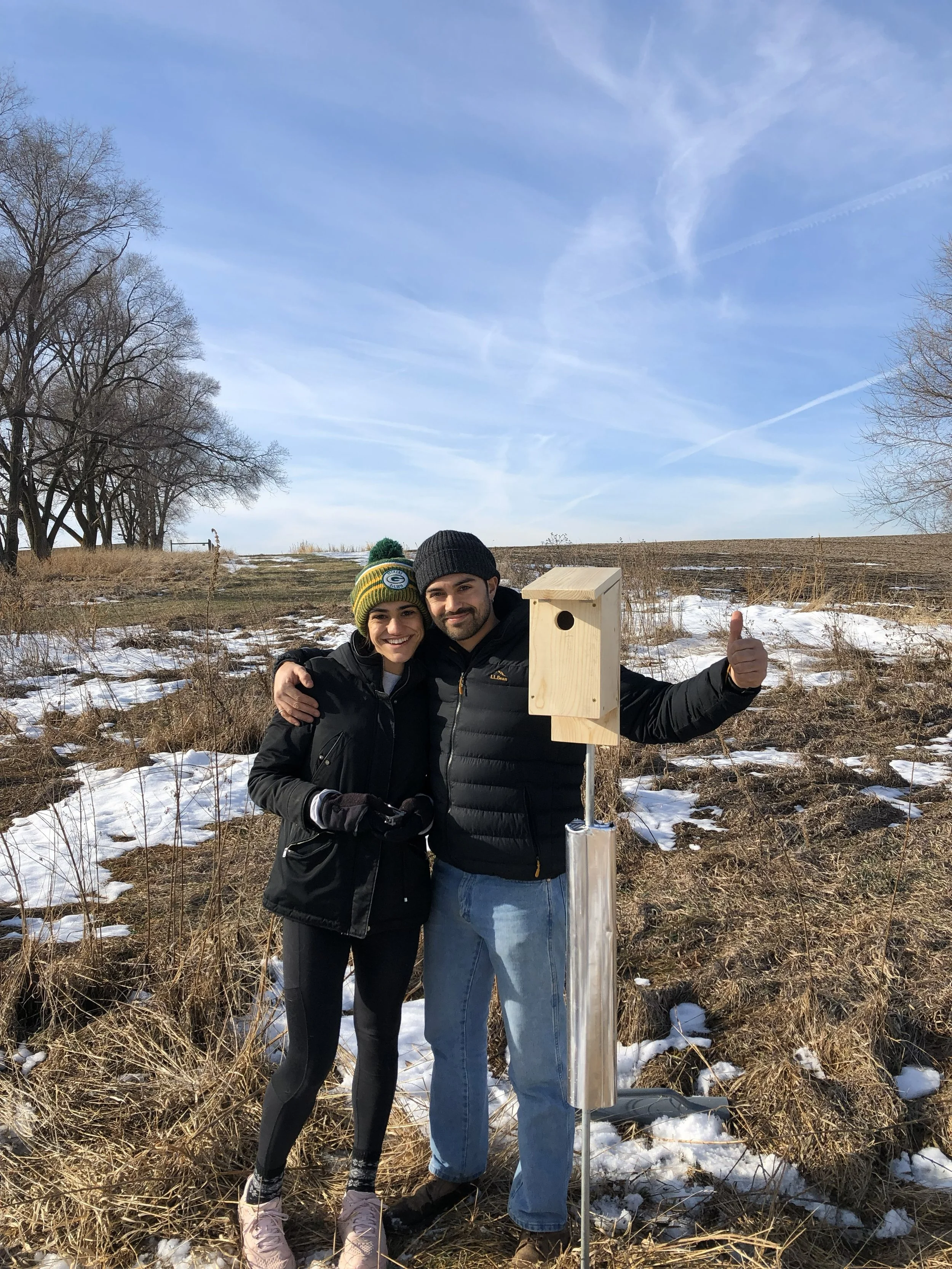

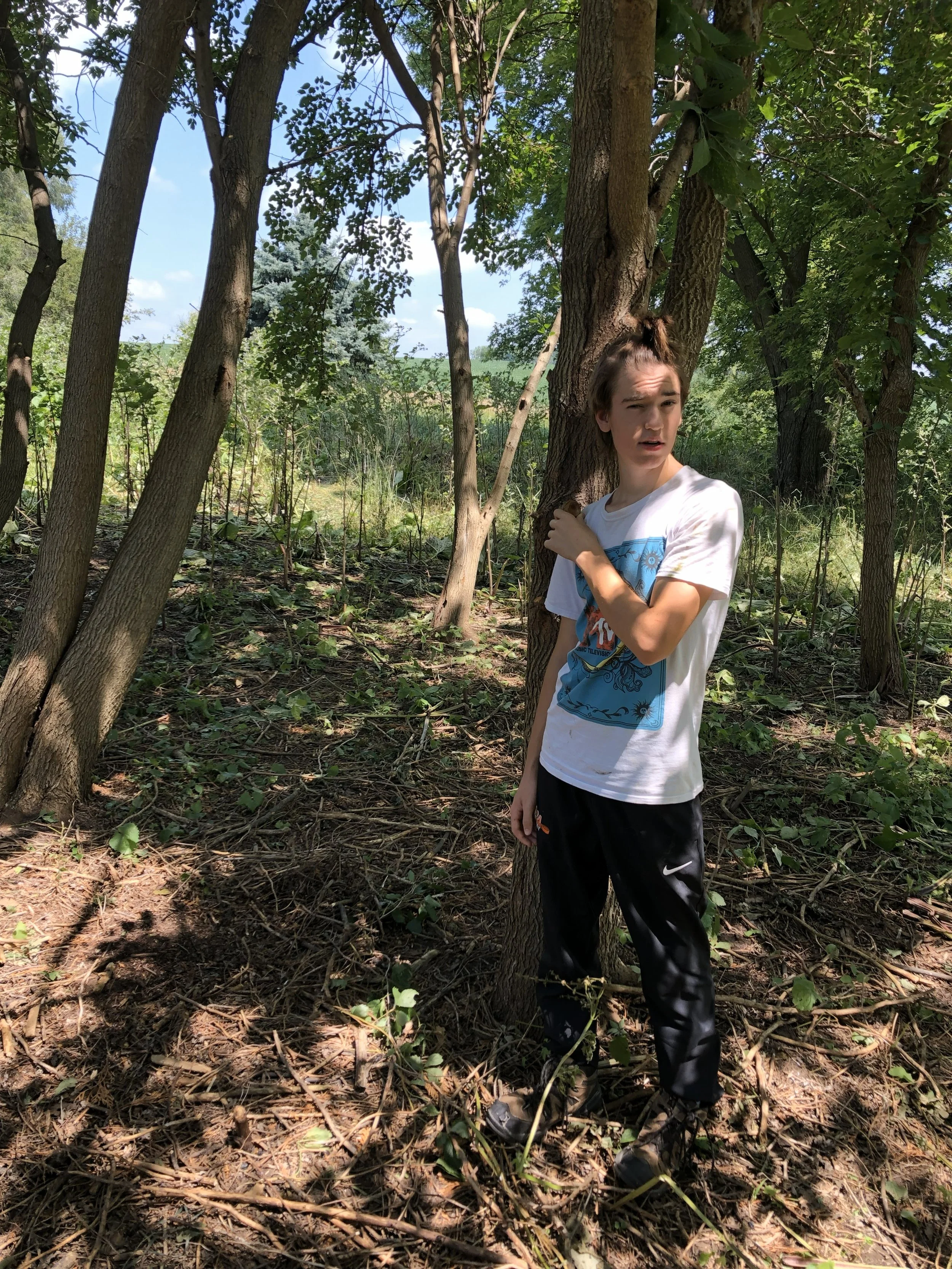
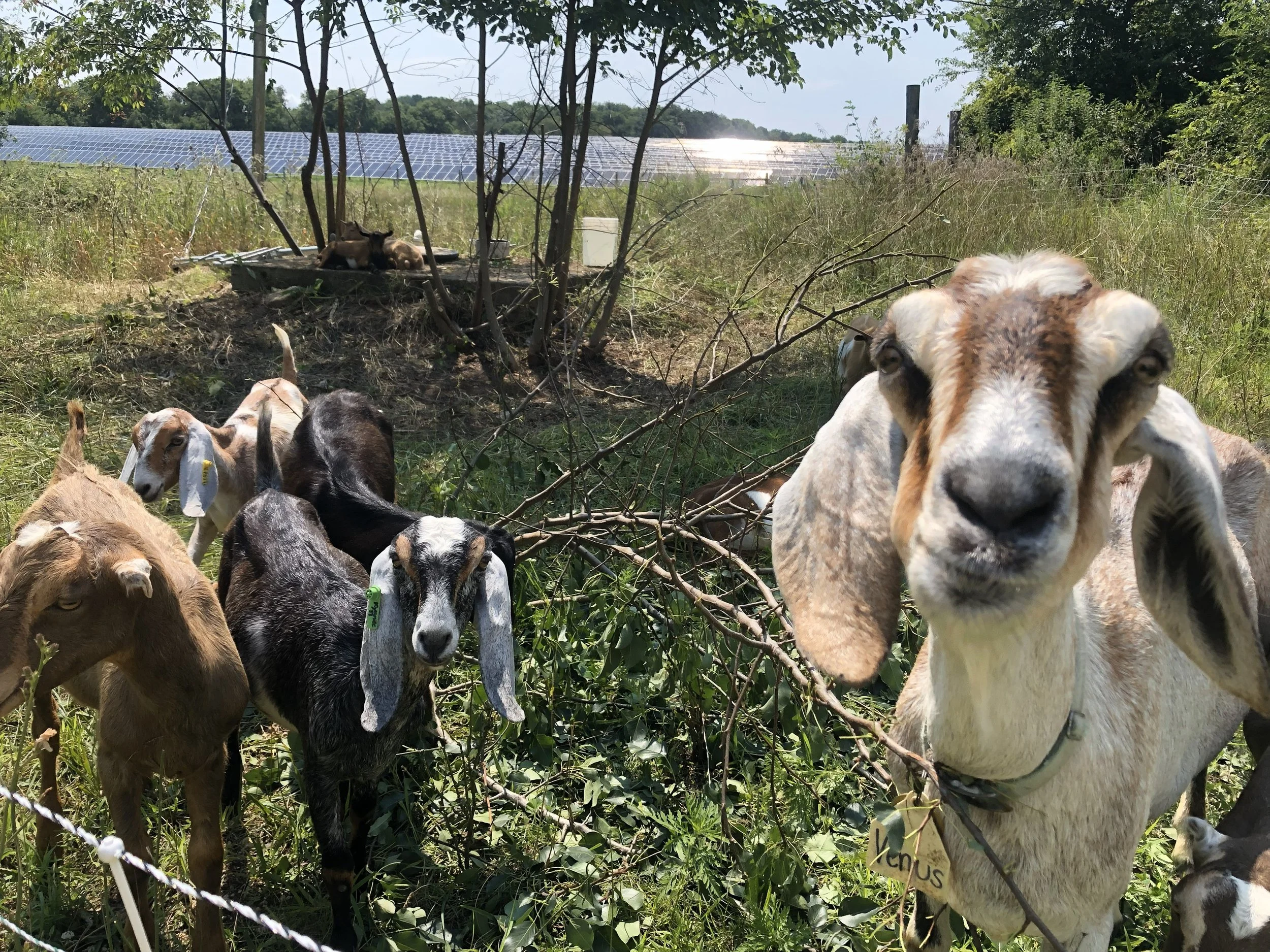
Winters are for rest and recovering from the long growing season. We have learned from everything that happened in our first year on the land. This is a time to evaluate how we progressed towards our goals, and whether we remain aligned with our mission. We saw land converted as our goats browsed in methodical rotation. Our vegetable field was managed carefully, keeping the soil healthy and our yields highly nutritious. Our pond and creek were cleared of invasive honeysuckle, our woodland understories were cleared of poison hemlock and pokeweed and four nesting boxes were installed for the soon-to-be nesting Eastern Bluebird and American Kestrel.
As spring inches nearer, we have devised a plan to double our vegetable growing space, to install a drip irrigation system, repair barns for both improved goat housing and greenhouse space, respectively. We are looking forward to November 2026 when we will at last seed our frontage parcel of 10 acres with prairie seed. May the Seed continue on into the future.
Hare Krishna.